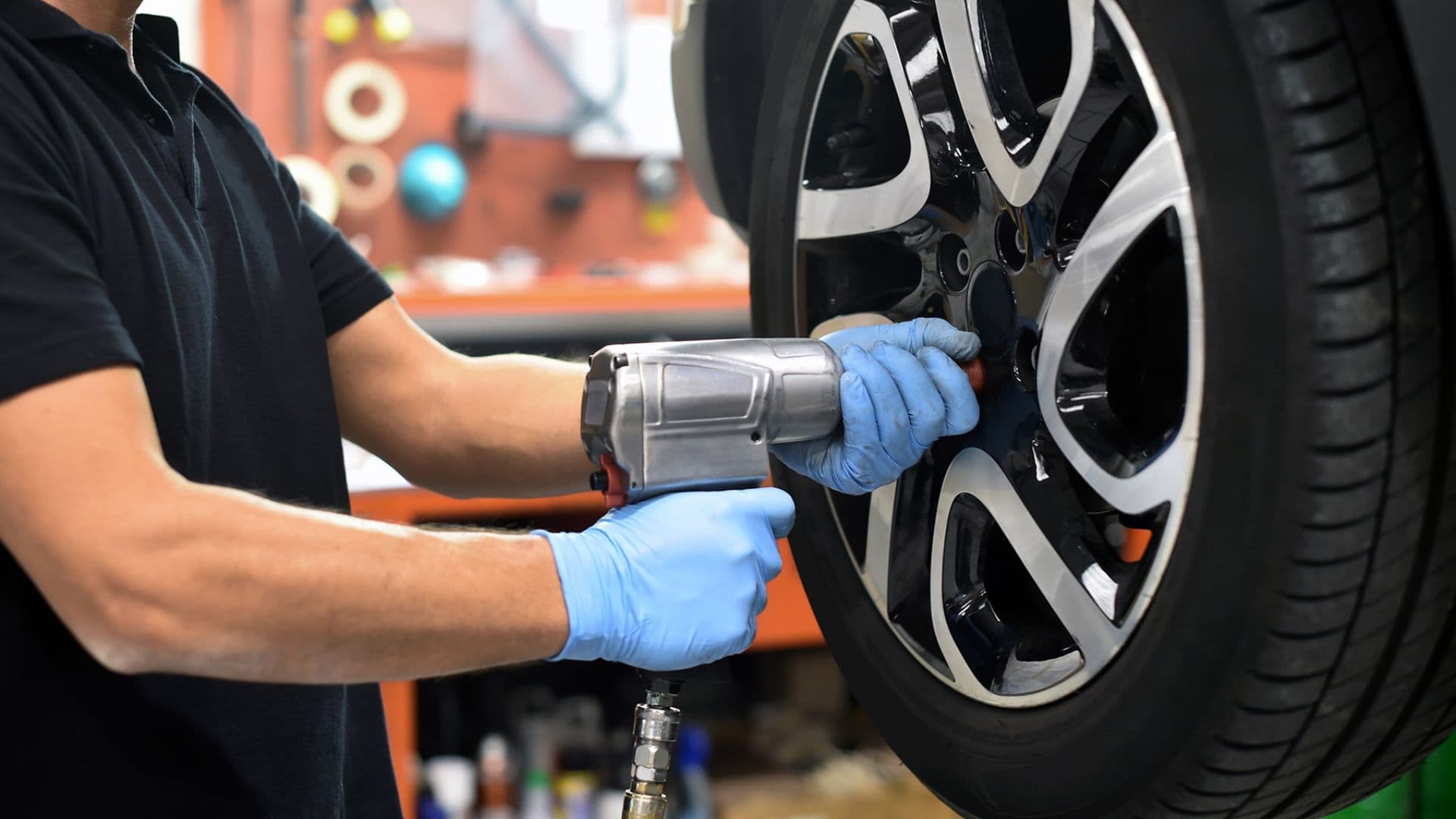
Why Tire Maintenance Is Non-Negotiable
Tires are the only contact patch between your vehicle and the road. Their condition affects braking distance in rain, emergency lane changes, hydroplaning resistance, and fuel economy. Under-maintained tires do not fail politely—they often fail at speed, in bad weather, or when you are carrying family. Treat tire care as safety engineering, not vanity.
Premature tire replacement is expensive; blowouts and irregular wear are dangerous. A disciplined rotation and pressure habit pays dividends across the entire ownership cycle.
Tire Pressure: The Most Ignored Maintenance Task
Find the manufacturer’s recommended cold pressure on the door jamb placard—not the number molded into the tire sidewall, which is a maximum, not a target. Check pressures when tires are cold (parked several hours or driven less than a mile gently). Seasonal temperature swings change pressure by roughly one PSI per ten degrees Fahrenheit.
Underinflation increases flex, heat, and rolling resistance; overinflation reduces grip and can center-wear the tread. TPMS warns of significant underinflation but may not catch gradual loss or all four tires drifting low together—still use a gauge monthly.
Tire Rotation: When and Why
Rotate every 5,000 to 7,500 miles unless your manual specifies otherwise. Front tires on FWD cars work harder; staggered or directional setups require pattern discipline. Rotation evens wear so you replace sets together, preserving handling balance. Skipping rotation invites noisy cupped wear that cannot be fully corrected later.
Wheel Alignment: The Silent Tire Killer
Misalignment shows up as pulling, steering wheel off-center, or uneven inner/outer wear after miles of invisible scrub. Potholes, curb strikes, and worn suspension components throw geometry off. Align when you replace tires, after major suspension work, or when symptoms appear—otherwise you tax new rubber immediately.
Tire Balancing vs Alignment — What is the Difference?
Balancing corrects weight asymmetry so the wheel/tire assembly spins without vibration at speed—think clip-on or adhesive weights. Alignment adjusts angles (camber, caster, toe) so the vehicle tracks straight and wears tires evenly. Balancing fixes shake; alignment fixes direction and wear patterns. Both can be needed independently.
When to Replace Your Tires
Use tread depth gauges or the penny test as a rough guide for legal minimums, but also consider age: rubber oxidizes even with tread left. Cracks, bulges, or repeated punctures in the shoulder mean replace. If you are unsure, a professional inspection is cheap insurance.
Mobile Tire Services
Uptime Crew offers tire-related services such as rotation, TPMS help, flat repair, and new tire installation without losing a day at a shop—especially valuable for busy households and fleet vehicles parked at predictable locations. Pair mobile service with your own monthly pressure checks and you will extract maximum life from every set.
Seasonal and Regional Adjustments
Winter blends and summer heat change rubber behavior and pressure. If you swap dedicated winter wheels, log torque and storage conditions. In hot climates, UV and ozone crack sidewalls faster—shade parking matters. In rural areas with gravel, schedule more frequent inspections for cuts and stone drilling.
Document alignment dates next to rotation dates so you can correlate new pull symptoms with events like pothole season. If you run snow chains when legal, inspect sidewalls afterward—chains can scuff and stress shoulders when mis-tensioned.
Summary
Pressure monthly, rotate on schedule, align when symptoms or new tires warrant, and replace on evidence—not superstition. Those four habits outperform any single “miracle tire” marketing claim because physics does not negotiate.
Spare Tires, Kits, and Run-Flats
If your vehicle has a spare, verify inflation every six months—spares silently go flat. Learn the jack points before you need them at night in rain. Run-flat tires enable mobility after pressure loss but ride stiffer and cost more; treat them as a system with specific rotation rules. Uptime Crew can help evaluate whether your spare kit matches your real travel patterns.
When Noise Is Not a Tire Problem
Wheel bearings, CV joints, and loose suspension components can sound like tire roar. If rotation does not change noise location, escalate diagnostics. Misdiagnosing bearings as tires wastes money and leaves a safety defect in place.

