Your Vehicle Is Always Sending Signals
Most expensive repairs start as small symptoms drivers learn to ignore: a faint rattle, a slightly longer crank, a new vibration at highway speed. Diagnostics exist to translate those signals into actionable facts. If you recognize warning patterns early, you can often avoid secondary damage—like ruining a catalytic converter after driving too long with a misfire.
1) Check Engine Light
The check engine light means the powertrain computer detected a fault that can affect emissions or performance. It might be minor (loose fuel cap) or serious (catalyst damage risk). Urgency: high if flashing; moderate if steady but accompanied by rough running; lower if steady with no drivability change—still schedule diagnostics soon.
2) Unusual Sounds: Knocking, Squealing, Grinding
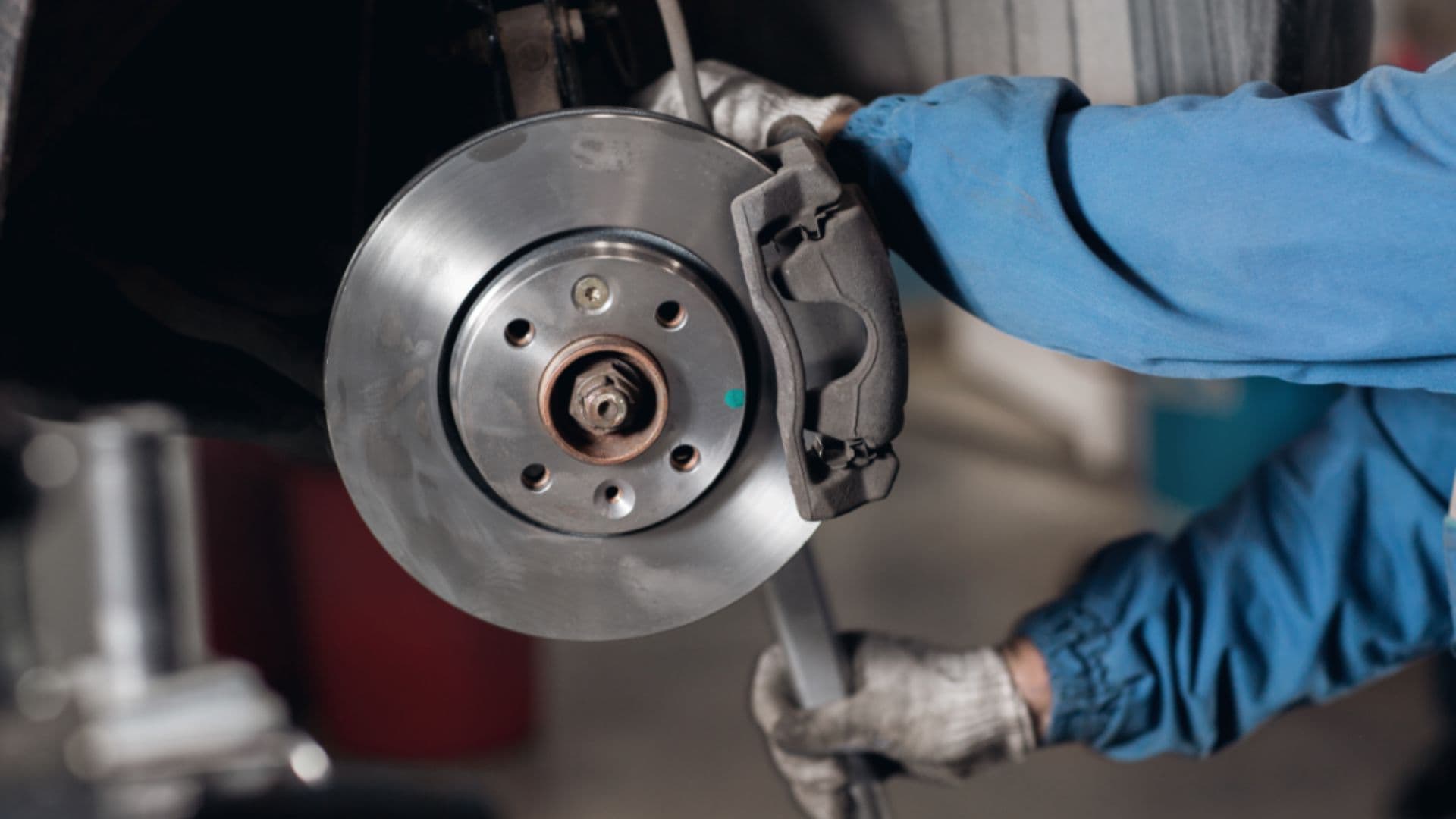
Knocking under load can indicate detonation or bearing issues; squealing on startup may be belts; grinding during braking often points to pads/rotors. Sounds are clues, not diagnoses—urgency ranges from immediate (knocking) to days (some belt squeals). Uptime Crew helps you book a technician to isolate the source rather than guessing online.
3) Multiple Dashboard Warning Lights
When several systems illuminate together, you may have a voltage issue, wheel speed sensor fault, or stability control concern. Urgency is generally high if ABS/stability warnings coincide with brake feel changes. Do not assume “it is just sensors” without scanning and testing.
4) Rough Idling or Stumbling
Rough idle can stem from misfires, vacuum leaks, carbon buildup, or fuel delivery problems. Continuing to drive can overheat the catalytic converter. Treat rough idle as moderate-to-high urgency, especially if fuel smell or power loss is present.
5) Sudden Drop in Fuel Economy
Economy drops from underinflated tires, dragging brakes, thermostat faults, oxygen sensor drift, or changed driving routes. Urgency is usually moderate, but sudden large drops warrant prompt diagnostics to rule out fuel leaks or rich running conditions.
6) Fluid Puddles Under the Car
Identify color and location: coolant, oil, transmission fluid, and brake fluid have different risks. Brake fluid leaks are high urgency. Oil leaks near hot exhaust are high urgency. Water condensation from A/C is normal. When unsure, assume worst-case until verified.
7) Vibrations While Driving
Vibrations can be tires, wheels, driveline, or suspension. Highway-speed shake often ties to balance or bent wheels; vibration under acceleration may be CV joints. Urgency is moderate but should be addressed before long trips—vibration accelerates tire wear and can mask developing mechanical issues.
Book Diagnostics With Confidence
Uptime Crew is built around transparent estimates and certified technicians—ideal when you need a professional scan, component tests, and a prioritized repair plan. Instead of delaying until a warning becomes a tow, schedule diagnostics early and keep your repair budget predictable.
- Flashing check engine light: treat as urgent.
- New noises/vibrations: diagnose before long drives.
- Fluids under the car: identify and assess quickly.
- Rough running: avoid prolonged high-load driving.
- Use Uptime Crew to book on-site diagnostics when convenient.
Intermittent Problems Require a Different Strategy
Some faults appear only under load, only when cold, or only after rain. Intermittent diagnostics take longer because the technician must reproduce conditions or use data logging. If your symptom is intermittent, be patient with a two-step plan: initial scan and inspection, then a follow-up road test or overnight monitoring when needed. Throwing parts at intermittent issues is the fastest way to spend money without solving the root cause.
Maintenance History Changes Interpretation
A check engine light after recent repairs may point to a connector left loose or a sensor disturbed during service. Always mention recent work, even if unrelated—it saves hours. Likewise, if you recently fueled up at an unfamiliar station, mention it when you have rough running; fuel quality issues do occur and change diagnostic priority.
When to Stop Driving Immediately
Red oil pressure light, major brake fade, thick smoke, sudden loss of steering assist, or a strong fuel smell are not “wait until Friday” symptoms. Pull over safely and call for help. Uptime Crew can help you book service after the vehicle is secure, but never trade safety for convenience.
Building Trust With Your Technician
Great diagnostics are collaborative. Answer questions directly, authorize reasonable testing, and ask for photos of worn parts when replacements are recommended. Uptime Crew’s model encourages transparency—use it to build a relationship with a technician you trust for repeat visits.