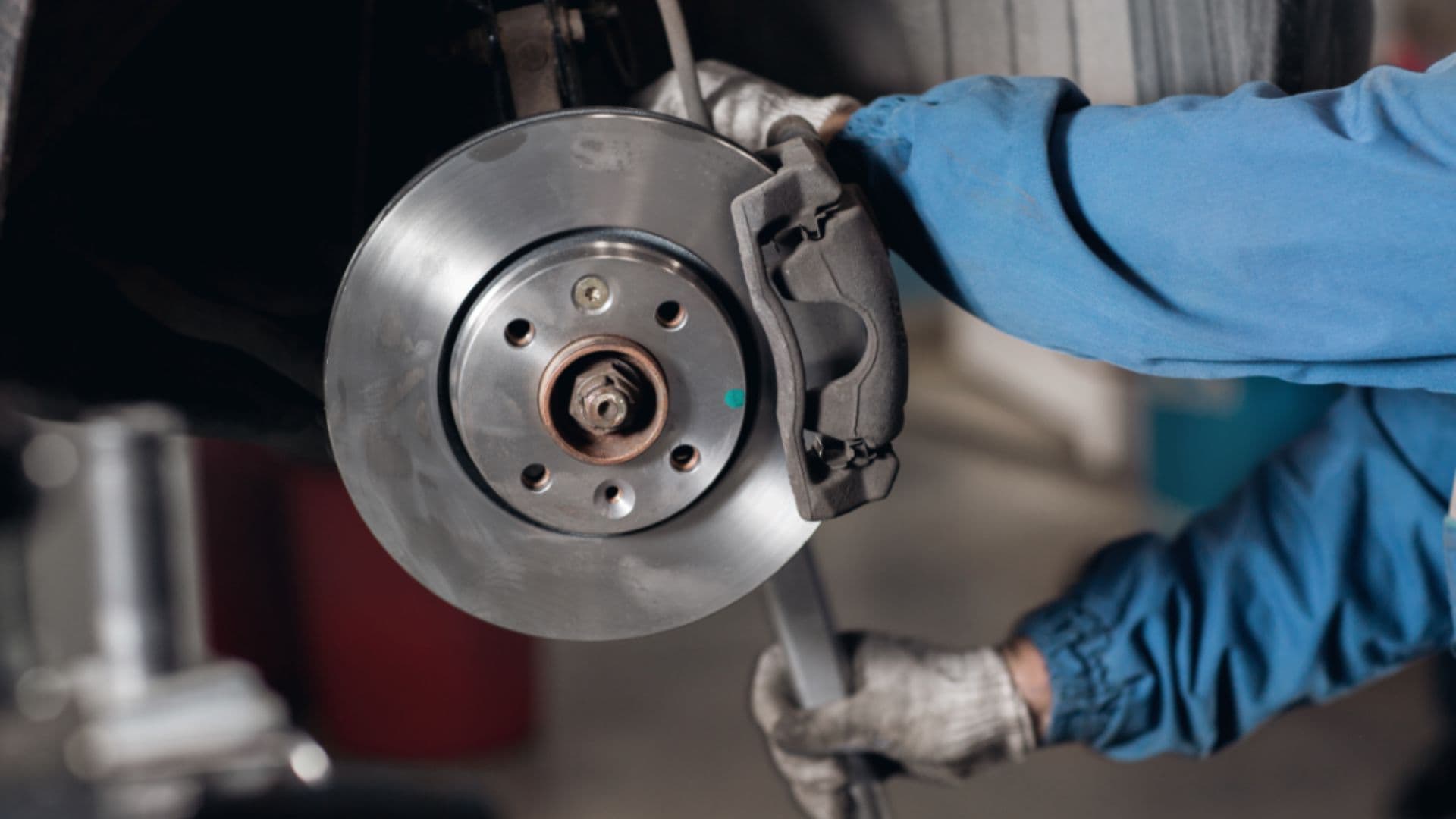
Why Brake Pads Matter More Than Most Parts
Brakes are kinetic energy turned into heat. Pads press against rotors to slow you; friction material sacrifices itself so metal does not. When pads wear thin, calipers extend farther, heat concentrates differently, and you risk metal-on-metal grinding that destroys rotors and increases stopping distances.
There is no “optional” tier for brake safety—only informed choices about materials, driving style, and service quality.
How Long Do Brake Pads Last?
Typical pad life spans roughly 25,000 to 65,000 miles, a wide range driven by driving style (hard stops vs gradual), terrain (hills vs flat), vehicle weight (trucks vs compact cars), and pad compound. Towing, mountain commuting, and stop-and-go traffic lean toward the shorter end. Highway-dominant driving with gentle braking leans longer.
Always pair mileage guidance with periodic visual inspections—some vehicles eat rear pads faster due to electronic parking brake behavior or stuck slide pins.
5 Signs Your Brake Pads Need Replacing
- Squealing or squeaking: Many pads include wear indicators that chirp when thin—though similar noises can come from dust or glaze, so verify thickness.
- Grinding metal: Pads are likely gone; rotors are being cut. Stop driving except to reach help immediately.
- Vibration when braking: Can indicate uneven deposits or rotor thickness variation—inspect before it worsens pedal feel.
- Longer stopping distances: Fluid, pads, tires, or ABS concerns could be involved—diagnose holistically.
- Brake warning light: Could be pad wear sensor, fluid level, or ABS fault—scan and inspect.
The Different Types of Brake Pads
Organic/NAO: Quiet, gentle on rotors, softer—can fade faster under heat. Semi-metallic: stronger heat tolerance, more noise/dust possible—popular on trucks. Ceramic: often quieter with less dust; excellent daily-driver choice when matched correctly by a professional.
Your technician should recommend compound based on vehicle, climate, and usage—not whichever pad is on sale this week.
What Happens If You Wait Too Long
Metal backing plates score rotors beyond resurfacing limits, calipers overextend, and brake fluid overheats more easily. Repair bills multiply because you replaced one wearable item too late. The cheapest brake job is the one done before collateral damage.
Getting Your Brakes Inspected
Ask for pad measurements in millimeters, photos of uneven wear, and a check of slide pins and hardware. If rotors are near discard, discuss replacement versus machining with evidence. Uptime Crew supports brake inspections and mobile brake service with transparent estimates before work begins—ideal when you want safety addressed at your driveway or fleet lot.
Final Thoughts
Brake pads are wearable by design. Respect that wear curve with inspections, quality parts, and honest measurements. Your future self—the one avoiding a rear-end scenario—will thank you for treating brakes as insurance, not an annoyance.
Brake Fluid and Hydraulic Health
Pads and rotors get the attention, but fluid condition matters for pedal consistency and ABS performance. If your brake fluid service interval is due, perform it alongside pad replacement to avoid paying duplicate labor later. Ask whether the technician flushes by manufacturer procedure—some systems require specific sequences.
Test Drives and Bedding After Service
After service, follow any bedding guidance for your pad compound. Controlled stops in a safe environment can seat friction materials correctly without endangering the public. If vibration returns within days, return for recheck—hub runout and lug torque matter as much as pad quality.
Rotors, Calipers, and Hardware
Shudder is not always pad-related. Rusty rotor hats, stuck caliper slides, and uneven lug torque mimic pad problems. Ask for a full brake system inspection—not only pad thickness—because replacing pads on a seized slide is a short-lived repair. If rotors are below minimum thickness or heavily scored, machining may not be legal or wise; replacement may be the correct long-term value.
Fleet and High-Mileage Considerations
Fleet vehicles often need more frequent rear brake service due to loading and stop-and-go duty cycles. Document axle weights and typical routes so technicians choose compounds that handle heat without destroying rotors. Uptime Crew can help fleets standardize inspection photos so maintenance managers see patterns across units instead of one-off anecdotes.

